



🦝 1 Raccoon — Low Effort, High Forgiveness
Only one raccoon needs to focus.
The other four can be:
- eating snacks
- staring out the window
- emotionally unavailable
Mistakes are unlikely to matter. The task is forgiving, reversible, or hard to do “wrong.”
Examples:
Small talk, leaving a party, choosing snacks, basic survival-level decisions.
🦝🦝 2 Raccoons — Light Coordination Required
Two raccoons should be paying attention.
The rest can still wander, but someone should occasionally redirect them.
You may need:
- a short list
- a reminder
- mild self-control
Examples:
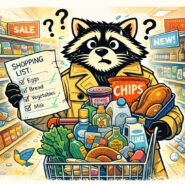
Grocery shopping with a plan, basic emails, simple appointments.
🦝🦝🦝 3 Raccoons — Moderate Focus
At least three raccoons need to stay on task.
If one gets distracted, things may still work out—but not elegantly.
This is where:
- preparation helps
- instructions matter
- mistakes are annoying but fixable
Examples:
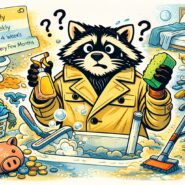
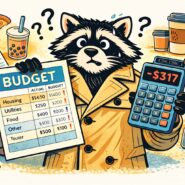
Cleaning schedules, laundry systems, basic budgeting, routine adult upkeep.
🦝🦝🦝🦝 4 Raccoons — High Attention, Low Margin for Error
Four raccoons must remain focused.
If one wanders off, the trench coat wobbles.
These tasks involve:
- rules
- formatting
- specific steps
- the risk of embarrassment
Examples:
Writing checks, dealing with paperwork, forms, financial processes humans insist are “simple.”
🦝🦝🦝🦝🦝 5 Raccoons — All Hands on Deck
Every raccoon must be present, sober, and emotionally prepared.
There is:
- no room for distraction
- no clear instructions
- no forgiveness for mistakes
If one raccoon thinks about pizza, the task fails.
Examples:
Taxes, legal documents, major financial decisions, anything involving government systems.
Important Notes
- A higher raccoon rating does not mean you are bad at adulthood.
- It means the task itself is complex, poorly explained, or historically unnecessary.
- Most humans are also five raccoons in a trench coat. They just don’t admit it.
If a task feels harder than its rating, that’s normal.
If it feels easier, congratulations—you have trained your raccoons.
Return to the night when ready.